Fantasy Decor Inspiration & Ambient Room Ideas
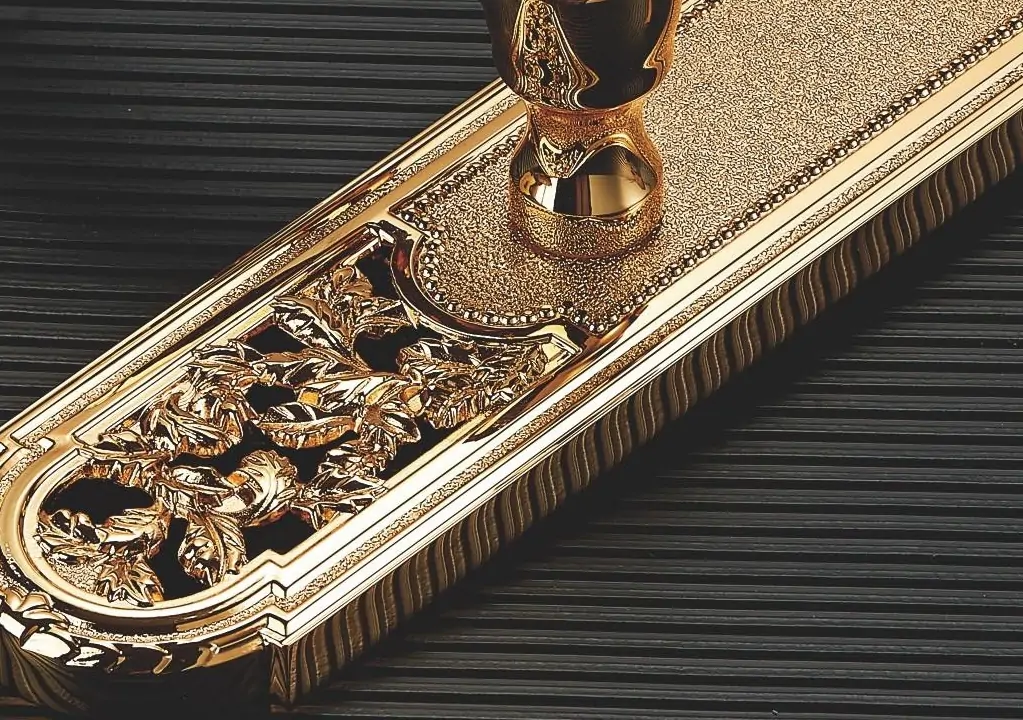
5 Reasons to Choose Hidden Screw Brass Escutcheon Trim

“When upgrading your home hardware, details matter. Investing in a hidden screw brass escutcheon trim is the ultimate way to elevate your wooden doors. Here are 5 reasons why…”
1.Five Reasons to Choose the "Hidden Screw Design" Brass Door Knob Escutcheon Trim for Wooden Doors
- Aesthetic Appeal: The Escutcheon trim surface is neat and smooth, with no exposed screws to mar its appearance. It can blend with various decoration styles, enhance the overall beauty of the door, add a touch of sophistication to the space, and fits modern minimalist and high-end interior styles.
- Enhanced Texture: Concealed details convey a sense of refinement and careful craftsmanship.
- Easy to Clean: Without screw holes or exposed screws, the Escutcheon trim has no gaps or grooves where dust can accumulate. It can be kept clean with a simple wipe using a damp cloth.
- Higher Safety: On one hand, hidden screws are not easy to be removed by others to open the door lock, enhancing security. On the other hand, it avoids potential hazards such as scratches to people or damage to the door caused by loose or falling screws.
- Door Protection: Traditional door lock Escutcheon trim with screw holes may cause wooden doors to crack or deform due to long-term use or improper installation. The hidden design prevents such issues and better protects the door.
2. Common Implementation Methods
- Screws Located on the Inner/Back Side of the Escutcheon trim: This is the most common concealment method. During installation, screws are driven in from the inner Escutcheon trim of the door, pass through the door body, and are finally fixed to the back of the outer Escutcheon trim of the door. From the outside of the door, the outer Escutcheon trim looks clean with no visible screw holes. However, this design is only a partially hidden one.
- For Disassembly/Repair: It is usually necessary to first remove the inner Escutcheon trim of the door (the screws of the inner Escutcheon trim may be visible or partially hidden) to access and loosen the screws that secure the outer Escutcheon trim.
- Screws Located on the Sides/Edges of the Escutcheon trim: Screw holes are drilled on the top, bottom edges, or side edges of the Escutcheon trim. Such designs are usually equipped with an Escutcheon trim base. First, the base is fixed to the wooden door with through screws, and then the Escutcheon trim is doubly fixed to the base using mortise-and-tenon joints and internal corner screws. After installation, these edges fit tightly against the door panel, and the screw heads are hidden by the door panel or door frame, making them hardly noticeable from the front or regular viewing angles. Some designs use long, thin screws driven horizontally from the side of the door (where the lock body is located) to fix both the inner and outer Escutcheon trim at the same time.
- Decorative Covers/Clip-on Covers: Screw holes are made on the front of the Escutcheon trim. After the screws are installed, a small plastic cover, metal cover, or clip-on decorative piece is used to tightly cover the screw holes. These covers usually need to be carefully pried open from the edge with a small tool (such as the tip of a small screwdriver or a special pry bar) to access the screws underneath. This is a popular method that balances concealment with ease of installation and maintenance, but it is not a truly hidden design.
- Magnetic Escutcheon trim: This is a more high-end concealment method. The Escutcheon trim itself is attached to an internal base via strong magnets, and the base is fixed to the door with screws. As a result, no screws or clips are visible on the front or sides of the Escutcheon trim. However, disassembly usually requires a suction cup or a specific tool to pry it open from the gap (which may cause damage to the Escutcheon trim). Additionally, this design has high craftsmanship requirements and a relatively higher price.
3. Installation Methods (Matching Different Concealment Designs)
- Connecting Column Fixation: A connecting column is installed between the inner and outer Escutcheon trim. Both ends of the connecting column are inserted into the fixing lugs on the Escutcheon trim, with a column head at one end. There are openings around the inner Escutcheon trim, and fasteners are passed through these openings to fix the column head, thereby connecting the inner and outer Escutcheon trim and hiding the screws.
- Decorative Piece Covering: After the mounting column of the inner lock body passes through the door panel and connects with the outer lock body, a decorative piece is used to cover the fixing screws. The positioning holes on the decorative piece can be used to install signs or other components while also hiding the screws.
- Hidden Receiving Component Installation: A hidden receiving component is installed on the side of the rear Escutcheon trim opposite the lock body. The front cover plate, rear cover plate, upper insert, lower insert, and other components are riveted together with rivets. By utilizing the elastic function of the rotating component, the upper insert and lower insert can clamp into the grooves of the rear Escutcheon trim, thus fixing the rear Escutcheon trim and hiding the screws.
4. Precautions for Disassembly and Maintenance
- Read the Instruction Manual Carefully: The hiding methods vary greatly among different brands and models, so it is essential to follow the instructions.
- Find Hidden Points: When disassembling, check the edges, bottom, and other parts of the Escutcheon trim for small gaps, clip points, or the prying position of the decorative cover.
- Use Appropriate Tools: Avoid using brute force or sharp tools to pry, as this may scratch the Escutcheon trim or damage the decorative cover. Usually, a small flat-head screwdriver, plastic pry bar, or special tool is needed.
- Keep Small Parts Safe: Decorative covers, small screws, and other small parts are tiny and should be kept carefully during disassembly to prevent loss.
5. Application Scenarios
- Home Bedrooms and Bathrooms: The Escutcheon trim adds overall beauty to the home environment, provides solid privacy protection, and its minimalist look fits perfectly with all kinds of home decor styles.
- Hotel Guest Rooms: This Escutcheon trim elevates the overall grade and aesthetic image of hotels, bringing guests a more comfortable and refined staying experience. Meanwhile, it greatly simplifies daily hotel cleaning and routine maintenance.
- Office Spaces: Installed in offices, meeting rooms and other commercial areas, the Escutcheon trim delivers a tidier and more professional door look, blends well with office surroundings, and effectively safeguards the safety and interior privacy of working zones
Summary:
An "Escutcheon trim with hidden screws" is a choice that emphasizes aesthetic design. It hides functional screws through various clever methods (such as inner side fixation, edge fixation, decorative cover covering, or magnetic attraction), resulting in a neat, high-end, and easy-to-clean door lock appearance. More care is required during installation and maintenance compared to traditional Escutcheon trim with visible screws, and specific steps should be followed.